
Bear
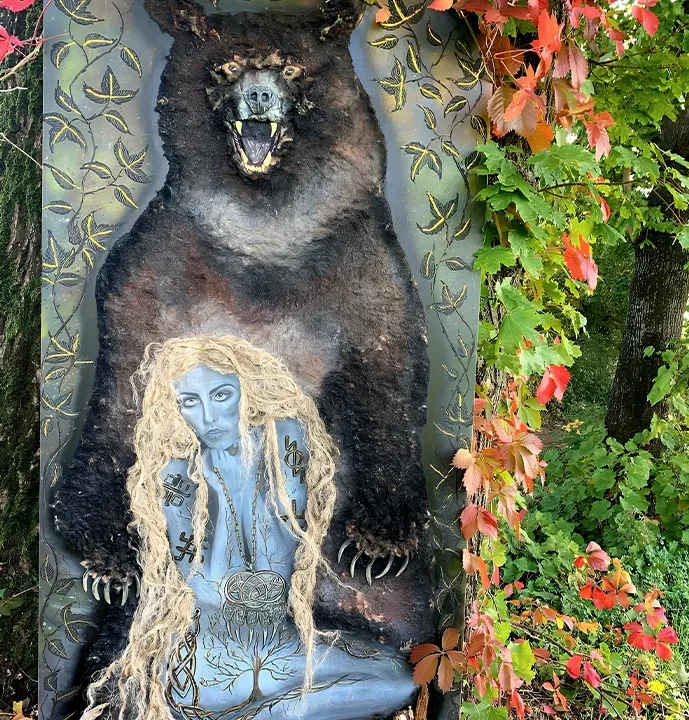
An artwork exploring the sacred symbolism of bears in ancient mythology, combining images of Artemis, traditional symbols and natural materials collected along the Baltic coast.
- Series
- Bear
- Technique
- Mixed Media
Many populations have myths about forest gods changing from men to bears with their legendary powers. The bear totem still has a huge influence on names and surnames. Bear-derived names go back to old Scandinavians: Osborne (son of a bear), Bjorn (bear), Bernard (brave as a bear), Oberon (bear’s heart), Ursula (bear), Lokis (bear). In world mythology, the famous Celtic name of King Arthur comes from the Welsh word ‘arth’ (bear).
The Greek goddess Artemis is often associated with the bear: I used her as a support image for my picture. During those times, people and animals lived happily together; the forest was their home. Its landlady was double-natured: both a female and an animal, she would control people and animals as much as their wellbeing. Archaic representations bring us back to Brauron Temple, where Artemis devotees and priestesses would be called ‘bears’. They used to wear yellow clothes recalling bear skin and dance on occasion of the Bear Celebration. Moreover, Artemis temples used to host a tamed bear.
Artemis (Diana) and the Celtic goddess Artio both share the root ‘art’ in their names - as well as a female bear as their sacred animal.
Bear gods worship was spread among the Proto-Indo European people who used to live on the River Dane. Andarta, another bear-goddess, was worshipped by the Southern-France Vokonti population. Her cult co-existed with Artio’s in Bern, Switzerland.
Symbols
‘Kolar’ - this solar model helps us change our surrounding world to help us make our dreams real. Its main meaning is fertility, granted by the Mother of Raw Earth. “Perunitsa '' - The sign of the Goddess Diva-Dodola, wife of Perun: a purifying storm, washing all evil away and offering a revivifying humidity.
“Field” or “Sown Field” - these are the signs of raw Mother Earth . A sign of life, prosperity, of a strong and healthy family.
"Konegon" - This popular name preserves the memory of the heavenly horses, bringing people and goods closer to each other. It is considered a sign which gives birth to light and fire; also, it connects a person to the gods, providing hope and answers.
“Bear’s paw” grants career advancement, high work efficiency, material wealth. This symbol nourishes a person’s inner strength, amplifying thinking and thoughts. “Tree of life” First of all, its meaning lies in harmony and connection between earth and the sky, the man and the divine. This symbol also represents immortality, a new birth in the afterlife, fertility.
What I used:
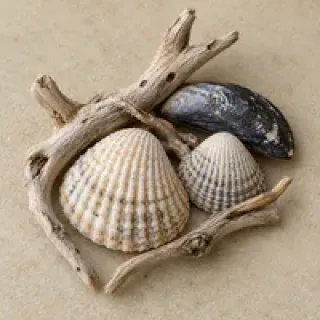
I collected shells and branches on the Baltic coast; they are talismans among Latvians. The sea’s creativity stops ashore to inspire people.
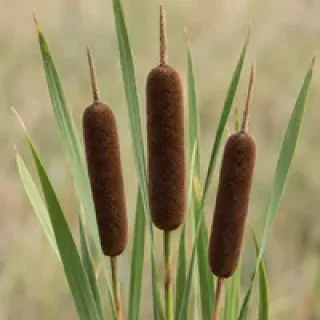
Cattail
In Baltic cultures, cattail is variously used in cooking, medicine and ornamental arts. Its fluff is used to stuff pillows, make fabric, art pottery, as a natural water filter or fuel.
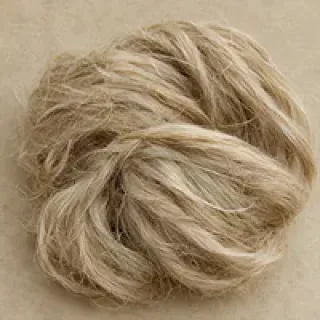
Hydraulic hemp (tow)
It is made of hemp and linen fibres. In the old times, this material was largely employed for clothes and household tools and materials.
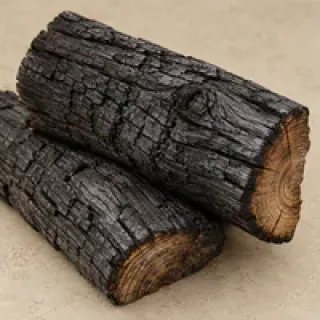
The frame of the painting is made of burnt spruce as a tribute to the ancient Japanese technique.