

Son of the moon
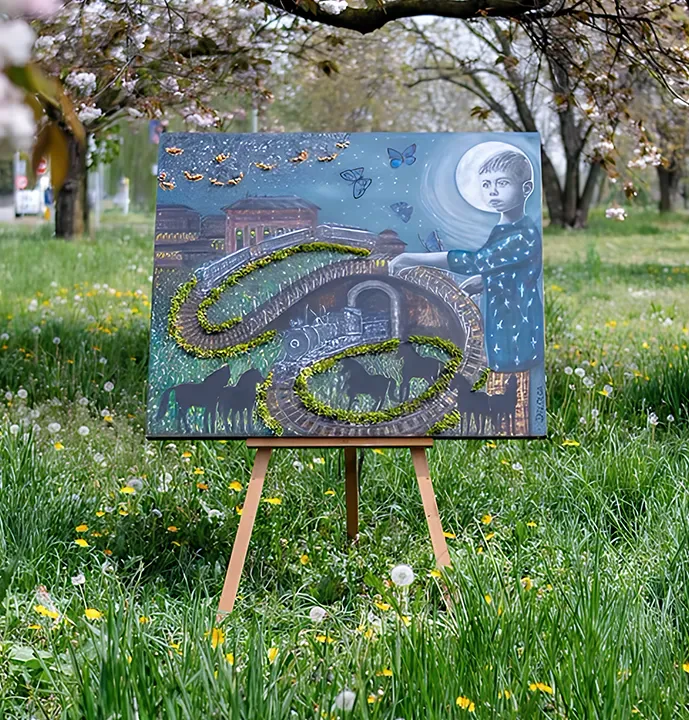
Inspired by the song Son of the Moon, this artwork reflects on life’s journey, the wonder of nature and the fragile beauty of fleeting moments.
- Series
- Son of the moon
- Technique
- Mixed Media
Mecano’s homonymous song inspired me to this version of a grown-up moon boy reaching out to the world and people. The symbolism is played on the importance of noticing nature’s beauty without getting stuck in everyday routines. Life is a run round in circles, it is a railway and there are many and different stops. Even though you have already built the path, your journey develops out of unforeseen stops and slackenings. Horses watch over everyone as ancestors’ shadows. The train is heavy, long, fast: it is the man itself. Each year adds up a new coach of experience together with a higher demand of power to keep moving. Butterflies contrastively mirror the heat of the moment, levity, dreams. The moon boy is entranced by the flight of the butterflies, led astray from the toy railway - to many people, the only way to make sense of life. In the hierarchy of nature, what isworth a whole life for someone is just a flap of a butterfly's wings for someone else.
What I used:
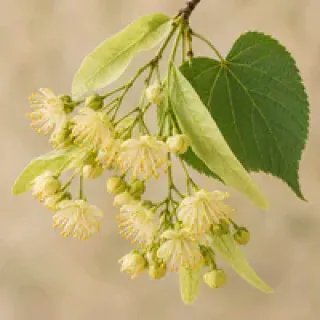
Lime tree flowers embody delicacy, tenderness, and softness.
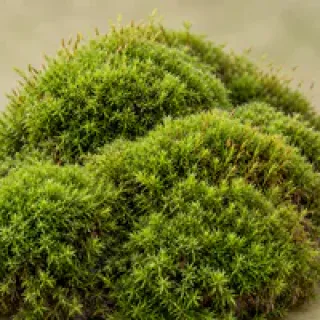
Moss is sometimes associated with death and life thoughts in Japan. The phrase ‘under the moss’ refers to what awaits people after death.
This expression also links closely together death and the afterlife, which people reach regardless of how long their journey lasted.
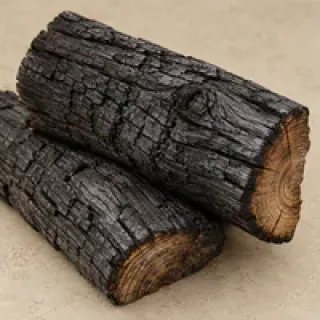
The frame of the painting is made of burnt spruce as a tribute to the ancient Japanese technique.